

Ready to transform your space with a touch of elegance? Finding the perfect shade of white for your interior walls can be a daunting task, but we’re here to help. Discover our top 7 best white paint colors for interior walls, expertly curated to suit any room in your home. Each shade brings its own unique charm, enhancing light, space, and sophistication. Whether you’re aiming for a crisp, clean look or a warm, inviting atmosphere, our guide will help you find the perfect match. Read on to explore these stunning white hues and elevate your interior design with confidence.
Why Should You Choose White Paint for Interior Walls?
Selecting the perfect paint color for your interior walls can dramatically influence your home’s ambiance and style. Among the myriad options, white paint stands out as a timeless favorite. Its versatility allows it to seamlessly blend with any decor, It offers a fresh and clean look that enhances every room. Let’s dive into why white paint remains a go-to choice for transforming interior spaces into elegant and inviting havens.
White Paint Color Creates a Sense of Space
In interior painting, white paint can make a room feel open and inviting by reflecting natural light. This reflection creates an illusion of a larger area, If you have smaller rooms or spaces with limited natural light, white paint is a smart choice. Opt for shades like Benjamin Moore Chantilly Lace or Sherwin Williams Extra White. These shades will help maximize the sense of openness and brightness. A compact area can turn into an airy, welcoming space.
Read also: 9 Colors that Make Room Look Bigger
White Paint Color Enhances Light and Mood
White walls amplify light, so spaces feel brighter and more cheerful. This increased light reflection not only improves visibility but also enhances the room’s mood. Warm whites with yellow undertones, such as Benjamin Moore’s White Dove, add coziness. While cooler whites like Sherwin Williams Pure White offer a clean, modern look. These qualities make white paint a perfect choice for living rooms and common areas. They create environments that are both inviting and uplifting.
White Paint Color Exudes a Timeless Elegance
White paint is the epitome of timeless elegance that seamlessly fits into any design scheme. Whether you choose a soft white like Swiss Coffee or a bright white like Oxford White, it provides a neutral backdrop that highlights furniture and artwork. This timeless quality ensures your interiors remain stylish and relevant. You can effortlessly pair this classic choice with other popular paint colors to create a sophisticated, enduring aesthetic.
What are The Factors to Consider When Choosing White Paint?
When selecting the perfect white paint, it is essential to consider several key factors. These considerations help white paint complement the colors already present in your space. This creates a cohesive and appealing look. Understanding how different elements influence the appearance of white paint allows you to make an informed choice. The right paint sheen can enhance your room’s overall aesthetic. Let’s explore what you need to keep in mind to choose the ideal shade of white for your interior walls.
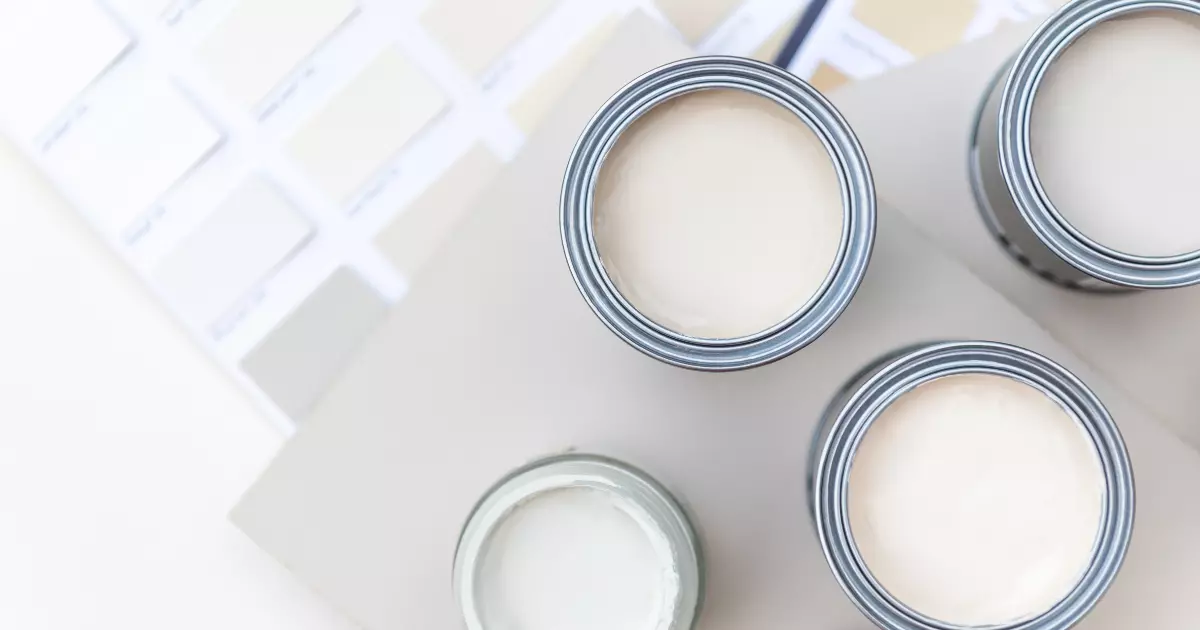
Natural Light
When selecting a white paint, consider the amount and direction of natural sunlight the room receives. Natural light can significantly alter the appearance of white paint. It can make the paint look warmer or cooler. A room with abundant natural or direct sunlight can handle cooler undertones without feeling too stark. A space with limited sunlight might benefit from warmer undertones to add a sense of warmth and coziness.
Artificial Lighting
Artificial lighting conditions also play a crucial role in how white paint looks. Different types of light bulbs such as LED, incandescent, and fluorescent emit varying hues. These hues impact the paint’s appearance. Warm lighting can enhance the coziness of a warm white shade. Cool lighting can accentuate the crispness of a cooler white. So you must consider your room’s lighting scenarios when choosing your white paint. Ensure it complements the artificial light sources.
Room Function and Mood
The function and desired mood of a room should influence your choice of white paint. For a serene bedroom, a softer and warmer-toned white can create a calming atmosphere. In contrast, a bright, cool white might be better suited for a kitchen or workspace. These areas prioritize clarity and cleanliness. It is also best to match the paint’s undertone and brightness level with the room’s purpose to achieve the ideal ambiance.
Undertones
White paint often has subtle undertones—blue, yellow, pink, or green. These undertones can affect the overall feel of a room. They can either complement or clash with existing decor. To avoid any unpleasant surprises, test white paint samples in different lighting situations. Observe how the undertones interact with your room’s furnishings and finishes.
Finish and Sheen
The finish and sheen of white paint are critical for both aesthetics and practicality. Flat and matte finishes offer a more modern, subtle look. However, they might not be as durable in high-traffic areas. Glossy and semi-gloss finishes are easier to clean. They can add a slight reflective quality, enhancing the sense of space. Choose a finish that balances your aesthetic preferences with the room’s functional needs.
Read also: How to Pick Paint Finish for Living Room?
Existing Furnishings and Decor
Your current furnishings and decor should guide your choice of white paint. A white with a complementary undertone can tie together various elements in the room. This creates a cohesive look. Ensure the white paint enhances rather than competes with your existing color palette. It should accentuate the beauty of your furniture, artwork, and accessories.
What are The Top White Paint Colors for Interior Walls?
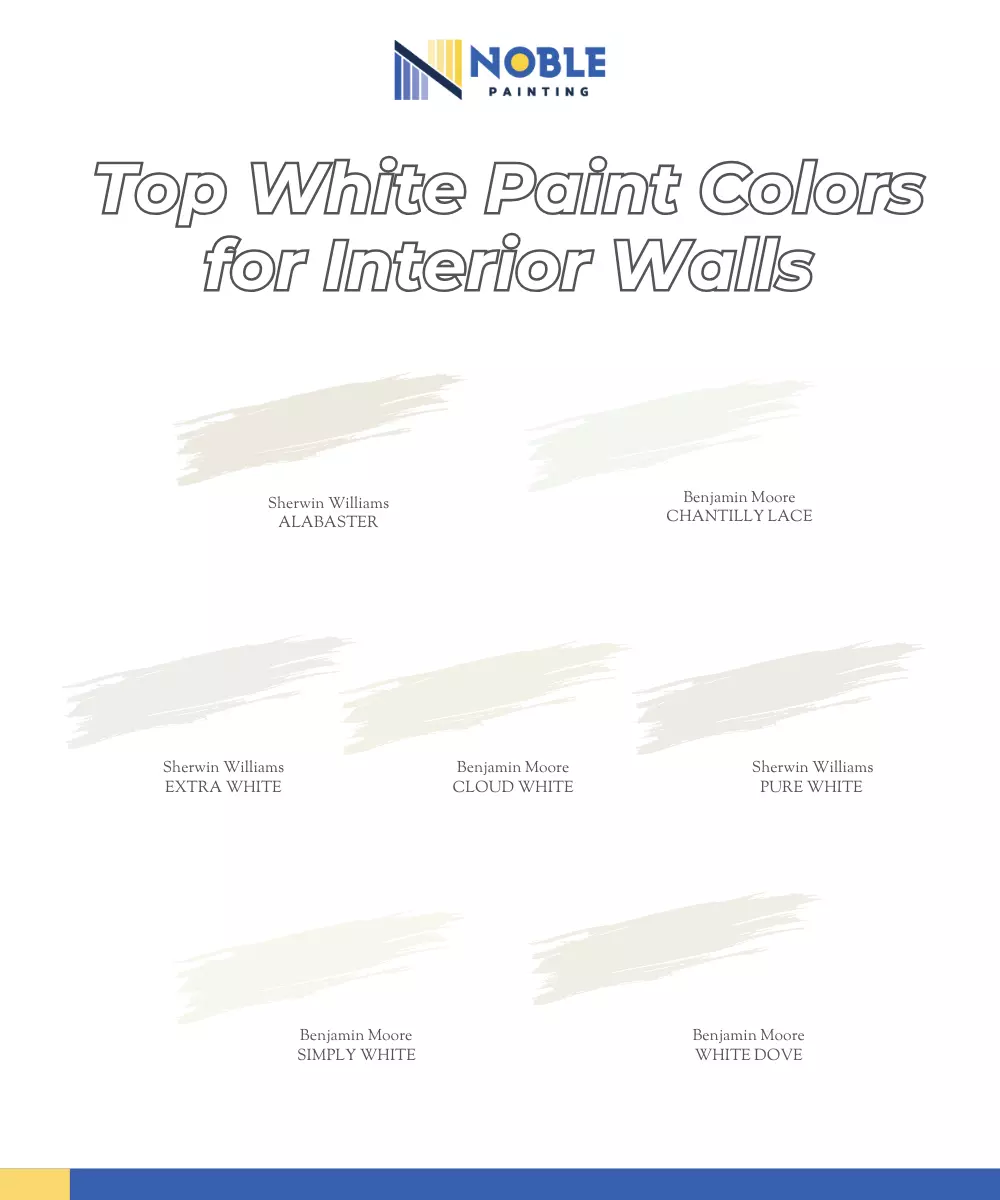
Selecting the perfect white paint color for your interior walls can dramatically enhance your living space. The right shade can make a room feel brighter and cleaner. It also creates a more inviting atmosphere. Whether you desire a crisp, modern aesthetic or a warm, cozy ambiance, there’s a white paint color tailored to your needs. In this section, you will discover some of the most popular white paint options. You will also learn about their ideal uses, pairings, and furniture suggestions to help you make the best choice for your home.
1. Sherwin Williams Alabaster
Sherwin Williams Alabaster is a soft, warm white that exudes a sense of calm and serenity. Its subtle beige undertones make it a versatile choice for various lighting conditions. SW Alabaster is crucial for creating a cozy and inviting atmosphere. This makes it perfect for living rooms, bedrooms, and spaces where relaxation is key. This alabaster white shade pairs beautifully with both light and dark furnishings. It adds a touch of elegance to any decor. Its adaptability and timeless appeal have earned it the top spot on our list of the best white paint colors for interior walls.
2. Benjamin Moore Chantilly Lace
Benjamin Moore Chantilly Lace is a crisp, clean white with a slightly cool undertone. It is ideal for modern and minimalist interiors. Its brightness enhances natural light, creating an airy and open feel in any room. BM Chantilly Lace is crucial for spaces where clarity and freshness are desired. These could be bathrooms, kitchens, and offices. This white paint color works wonderfully with sleek, contemporary furniture, stainless steel appliances, and bold accent colors. Its adaptability to both stark and soft environments ensures it remains a designer favorite and a top white wall color among homeowners.
3. Benjamin Moore Cloud White
Benjamin Moore Cloud White is a soft, warm white that exudes a gentle, inviting atmosphere. Its balanced undertones make it an excellent choice for spaces that require a touch of warmth without feeling too yellow or beige. BM Cloud White is important for creating a welcoming environment in areas such as living rooms, bedrooms, and hallways. It pairs well with both warm tones and cool color palettes. This white paint complements traditional decor, vintage pieces, and even modern furnishings.
4. Sherwin Williams Extra White
Sherwin Williams Extra White is a bright, stark white that brings a sense of purity and clarity to any space. Its high reflectivity makes it perfect for areas that need to maximize natural light such as sunrooms, bathrooms, and kitchens. SW Extra White is crucial for creating a clean, contemporary look that highlights architectural details and modern decor. It pairs exceptionally well with bold colors, dark woods, and industrial elements. This white paint’s adaptability to both high-contrast and monochromatic schemes makes it a popular choice for sleek, modern interiors.
5. Sherwin Williams Pure White
Sherwin Williams Pure White is a versatile, neutral white that works well in a variety of lighting conditions and settings. Its balanced undertones ensure it neither feels too warm nor too cool. This makes it a reliable choice for any room. SW Pure White’s importance lies in its ability to provide a clean, fresh backdrop that enhances other design elements. It is ideal for living rooms, bedrooms, and entryways where a neutral canvas is desired. This white paint pairs well with both bright colors and subdued tones. It offers adaptability to a wide range of decor styles and furnishings.
6. Benjamin Moore Simply White
Benjamin Moore Simply White is a warm, luminous white with a slight hint of yellow. This gives it a cozy and inviting feel. Its brightness and warmth make it an excellent choice for spaces that need a touch of cheerfulness. For instance, kitchens, nurseries, and living rooms. BM Simply White is important for creating a friendly and welcoming atmosphere. It pairs beautifully with natural materials, pastel colors, and light wood finishes. This white paint’s adaptability to both casual and elegant settings makes it a versatile choice for many design preferences.
7. Benjamin Moore White Dove
Benjamin Moore White Dove is a soft, creamy white that exudes timeless elegance and warmth. Its slight sheen creates a soothing and sophisticated ambiance. This makes it perfect for spaces where comfort and style are a must. BM White Dove is crucial for areas like living rooms, dining rooms, and bedrooms. It pairs well with rich fabrics, antique furniture, and soft color palettes. This enhances its adaptability to both classic and modern decor. This white paint’s versatility and enduring appeal make it a top choice for creating harmonious and beautiful interiors.
How to Coordinate White Walls with Other Interior Elements?
To transform your living spaces into harmonious and visually appealing environments, coordinating white walls with other interior elements is essential. White walls offer a clean and versatile backdrop. Painting your walls white and integrating complementary features enhances the overall aesthetic. Whether you’re dealing with south-facing spaces or west-facing rooms, understanding how to balance these elements is key.
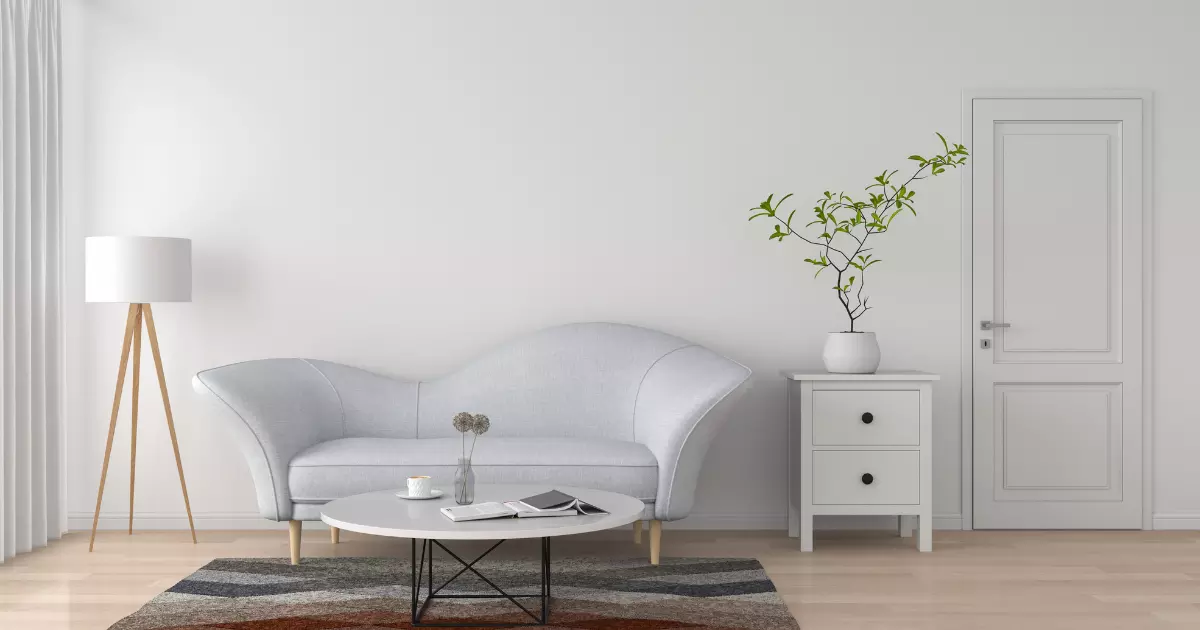
Add Natural Elements
Incorporating natural elements brings warmth and earthiness to rooms with classic white or atrium white walls. Plants, wooden accents, and stone features introduce organic textures and warm undertones. For example, plants in terracotta pots or wooden furniture pieces make the space feel grounded and inviting. Mimicking the warmth of sunlight with artificial lighting enhances the overall ambiance. This approach highlights the beautiful colors in your decor.
Contrast with Furniture
Creating contrast with furniture is essential for making neutral white or cream-white color walls stand out. Use furniture in darker shades or saturated whites to create a striking effect. For instance, pairing a cloud white OC-130 wall with a dark wood coffee table or navy blue sofa creates a beautiful balance. This contrast defines the space and adds depth and dimension. It prevents the room from feeling too stark or sterile.
Showcase Art and Wall Decor
Art and wall decor significantly enhance the look of white-tone walls. Bold and colorful artwork can serve as focal points against a backdrop of Oxford white or divine white walls. For instance, a vibrant painting with cool blue and pink undertones can bring life to a versatile white room. Mirrors and metallic accents also reflect light and add a luminous sheen to the space. This enhances its overall brightness and makes it feel more dynamic and lively.
Incorporate Textiles
For rooms with eggshell walls or a matte paint finish, adding textiles can bring much-needed warmth and texture. Warm-toned textiles in shades like red, yellow, or navy blue effectively soften the look of super-white walls. To make the space even more inviting and comfortable, incorporate textured fabrics such as linen or velvet. These elements introduce a cozy, layered feel. They make the room feel complete and lived-in.
Use Accent Colors
Using accent colors effectively coordinates true white walls with other interior elements. Introduce complementary colors through accessories like vases, cushions, or lighting. Shades like dockside blue provide a refreshing contrast without overwhelming the space. This approach works well in living spaces and kitchen cabinets. Subtle pops of color highlight architectural features and create a dynamic environment that feels both cohesive and exciting.
Read also: Psychology of Color: Choosing Paint Colors for Your Home
How to Apply White Paint on Your Interior Walls?
Refresh your space by applying white paint to your interior walls. This provides a clean and versatile backdrop for your decor. To ensure the best results, follow a systematic approach. Here are our expert tips to help you achieve a flawless finish with your chosen white shades.

Do Proper Preparation
Achieving a smooth, professional finish starts with proper preparation. Begin by clearing the room and covering floors and furniture with drop cloths. Clean the walls thoroughly to remove dirt, dust, and grease. This is essential as these can affect paint adhesion. Sand any rough spots and fill in holes or cracks with spackle. Make sure the walls are completely dry before moving forward. Use painter’s tape to cover trims, edges, and outlets. This will save you time and ensure clean lines.
Choose The Right Primer
Selecting the right primer is key to a flawless paint job. A good primer creates a uniform surface. This is especially important when covering darker whites or stains. Check whether your paint is oil or water-based. Then, choose a primer that matches the type of paint you will be using. For the best results, consider a tinted primer close to your final paint color. This step ensures that your chosen whites achieve their true vibrancy.
Protect Edges and Trim
Ensuring a clean, professional look requires protecting edges and trim. Use high-quality painter’s tape to mask off areas you don’t want to paint. Apply the tape carefully to avoid gaps where paint can seep through. Press the tape down firmly along the edges to prevent the need for touch-ups and maintain your selected color.
Mix The White Paint Thoroughly
For an even color and consistency, mixing the paint thoroughly is essential. Stir the paint in a circular motion from the bottom of the can to the top. If you’re using multiple cans, combine them in a larger bucket to ensure uniformity. This process, known as “boxing” the paint, ensures that the light reflectance value and sheen remain consistent throughout the room.
Add Some Finishing Touches
Completing your project with a polished look involves adding some finishing touches. Remove the painter’s tape before the paint is fully dry to avoid peeling. Inspect for any missed spots or thin areas and apply touch-ups where necessary. Consider adding a gloss or satin finish to trims and doors for contrast and durability. These small details enhance the overall appearance and longevity of your newly painted crisp white walls.
What are The Common Mistakes You Should Avoid When Painting with White?
White paint can seem straightforward, but it can be surprisingly tricky to work with. A perfect white wall can brighten a room. However, if done incorrectly, it can make the space feel cold and sterile. Avoiding common mistakes is crucial for achieving the desired effect. Here are some key considerations to ensure your white walls look stunning and inviting.

Skipping Primer
Overlooking the use of primer is a common mistake. It can lead to uneven color and poor paint adhesion. Primer creates a uniform surface. It allows the white paint to stick better and last longer. Always apply a high-quality primer before your white paint to prevent this issue. This step is particularly crucial when painting over darker walls or bold colors.
Choosing the Wrong Shade of White
Picking the wrong shade of white can make a room feel too cold or too warm. It is vital to consider the lighting and existing decor when selecting your shade. Use paint samples to test various whites in your home. Observe how natural and artificial light affects the color throughout the day. This will help you find the perfect shade.
Not Using Enough Coats
Using too few coats of white paint can result in a patchy finish. This is especially true when covering dark or saturated colors. To achieve a smooth and even look, apply at least two to three coats of paint. Let each coat dry completely before applying the next. This method ensures uniform coverage and the brightest white finish.
Poor Preparation
Neglecting proper surface preparation can lead to a subpar finish. Clean the walls thoroughly, fill in holes or cracks, and sand rough spots for a smooth painting surface. Proper preparation also involves using painter’s tape to protect trims and edges. These steps ensure a crisp and professional look.
Incorrect Lighting During Painting
Painting in poor lighting can cause you to miss spots or apply paint unevenly. Make sure the room is well-lit with LED bulbs or natural light. Good lighting lets you see the true color of the paint as you apply it. This helps you achieve an even and consistent finish. It prevents any unpleasant surprises once the paint dries.
Using the Wrong Tools
Using low-quality brushes or rollers can result in streaks and uneven application. Invest in high-quality painting tools. Brushes designed for trim and rollers suitable for your paint type and surface are ideal. This ensures a smooth application and a professional-looking finish.
Ignoring the Impact of Surroundings
Ignoring how your white paint interacts with surrounding colors and materials can create an unbalanced look. Consider the color wheel and complementary colors to make sure your white walls enhance your decor. For example, warm whites pair well with warm undertones. Cool whites complement cool tones and lighting.
Rushing the Process
Rushing through the painting process often leads to mistakes and a poor finish. Take your time to prepare properly, apply primer, and let each coat of paint dry thoroughly. Patience ensures a high-quality, long-lasting result. Remember, a well-painted room is worth the wait and effort.
Wrapping Up
Transforming your space with the best white paint colors for interior walls creates a timeless and versatile backdrop that enhances any decor style. White walls reflect light beautifully, making rooms feel more spacious and inviting. They provide a neutral canvas that complements a wide range of color schemes and design elements. By understanding common mistakes and selecting the right color formula, you can achieve a flawless elegant finish that elevates your home’s aesthetic.
Now that you have the knowledge to choose the perfect, crowd-pleasing interior white paint, why not make the process even easier? At Noble Painting, we guarantee a seamless experience and outstanding results. Our fully licensed professionals are ready for any project—big or small. Whether your interior or exterior paint needs a refresh, our experienced painters are here to help. Reach out for a free consultation or call us at 970-295-4203. Let’s create the home of your dreams together!